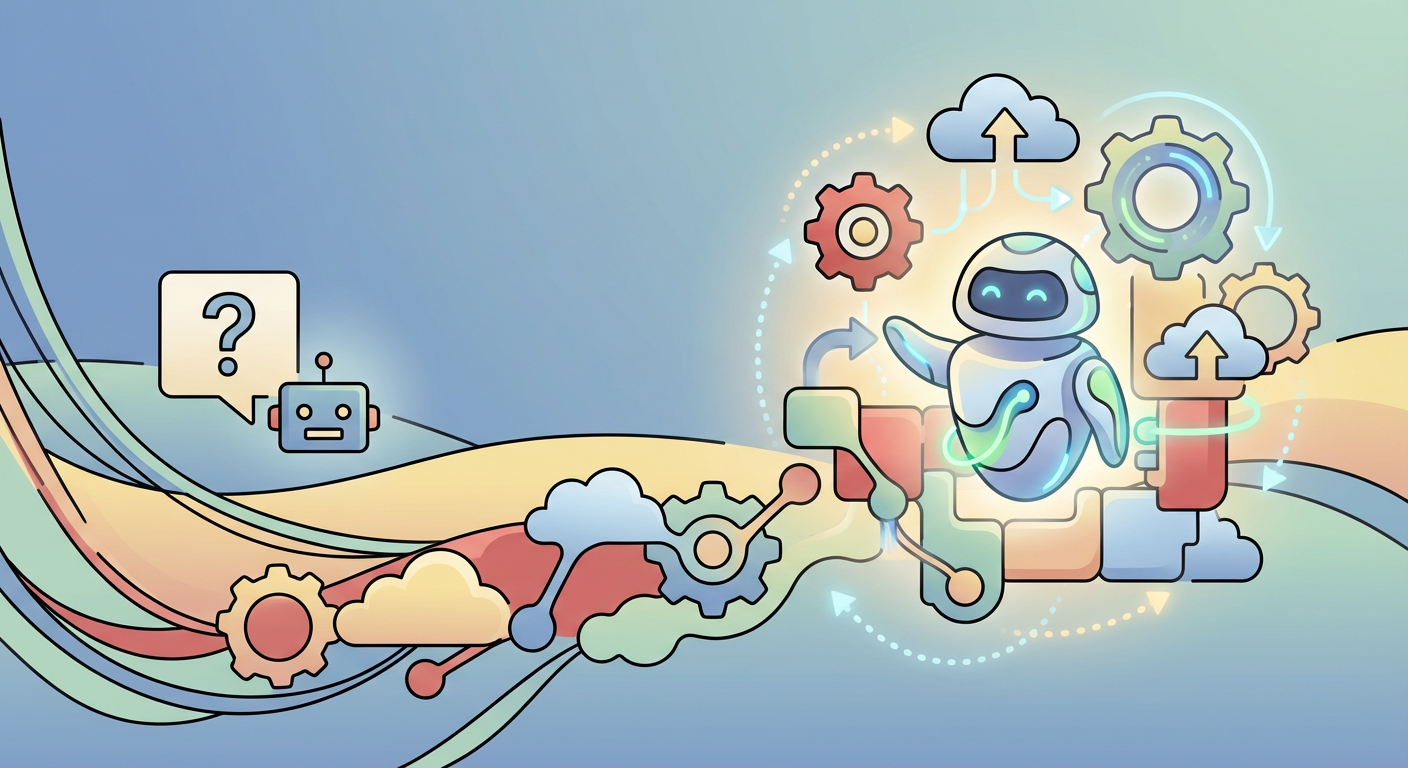
It feels like we just barely got used to the explosion of Generative AI, and yet here we are looking ahead to 2026. The pace of innovation is relentless. At FlowDevs, we spend a lot of time helping businesses navigate current technologies like Power Automate and Copilot Studio, but we also keep a close watch on the horizon. Understanding where technology is going helps us build scalable infrastructure today that won't be obsolete tomorrow.
Based on recent insights and expert predictions, the landscape of 2026 is going to look significantly different. We are moving past the phase of simple chatbots and into an era of integrated, physical, and highly intelligent systems. Here are the eight most important AI trends we expect to see by 2026.
The Evolution of Agents and Work
The concept of the "AI Agent" is maturing rapidly. We are moving from single-purpose bots to complex, collaborative digital workforces.
1. Multi-Agent Orchestration
In 2025, we saw individual agents that could plan and reason. In 2026, the trend shifts to teams. No single agent excels at everything, so we will see systems where multiple specialized agents work together under an orchestration layer.
- Planner Agents: Decompose high-level goals into steps.
- Worker Agents: execute specific tasks, such as writing code or calling APIs.
- Critic Agents: Evaluate the output and flag issues.
This introduces cross-checking and verification, breaking complex problems into discrete steps. For businesses, this means more reliable automation workflows that require less manual intervention.
2. The Digital Labor Workforce
These are autonomous agents capable of interpreting multimodal input, such as text, images, and video, to execute complex workflows. However, the key differentiator here is integration. These agents aren't just generating text; they are taking action in downstream components and business systems.
This trend relies heavily on Human-in-the-Loop AI. This provides oversight, correction, and strategic guidance—essentially "rails" to ensure agents adhere to business rules. This creates a force-multiplying effect that extends human capability rather than replacing it.
AI enters the Physical and Social World
AI is stepping out of the browser and into the three-dimensional world, changing how machines interact with us and our environment.
3. Physical AI and World Foundation Models
Until recently, AI operated primarily in a digital space, generating text or pixels. Physical AI changes this. These models are trained to understand and interact with the real, 3D world.
Instead of manually coding rules (like "turn left if you see a wall"), models are trained in simulations to understand physics, gravity, and object manipulation. By 2026, we expect to see these "world foundation models" taking robotics from research labs into commercial production.
4. Social Computing
This involves a shared AI fabric where agents and humans operate together. In this shared space, information and intent flow seamlessly between human users and digital agents. We call this "effective understanding," creates an empathetic, emergent network. It is essentially collective intelligence where digital labor and humans collaborate within a unified context.
Governance and Infrastructure
As systems become more powerful, the need for control and specialized hardware grows. This is where strategy meets engineering.
5. Verifiable AI
With regulations like the EU AI Act becoming fully applicable by mid-2026, compliance is no longer optional. High-risk AI systems must be auditable and traceable.
This means businesses will need robust documentation, transparency regarding when a user is speaking to a machine, and clear data lineage proving copyright respect. This governance framework will likely set the global standard, similar to how GDPR influenced privacy worldwide.
6. Quantum Utility Everywhere
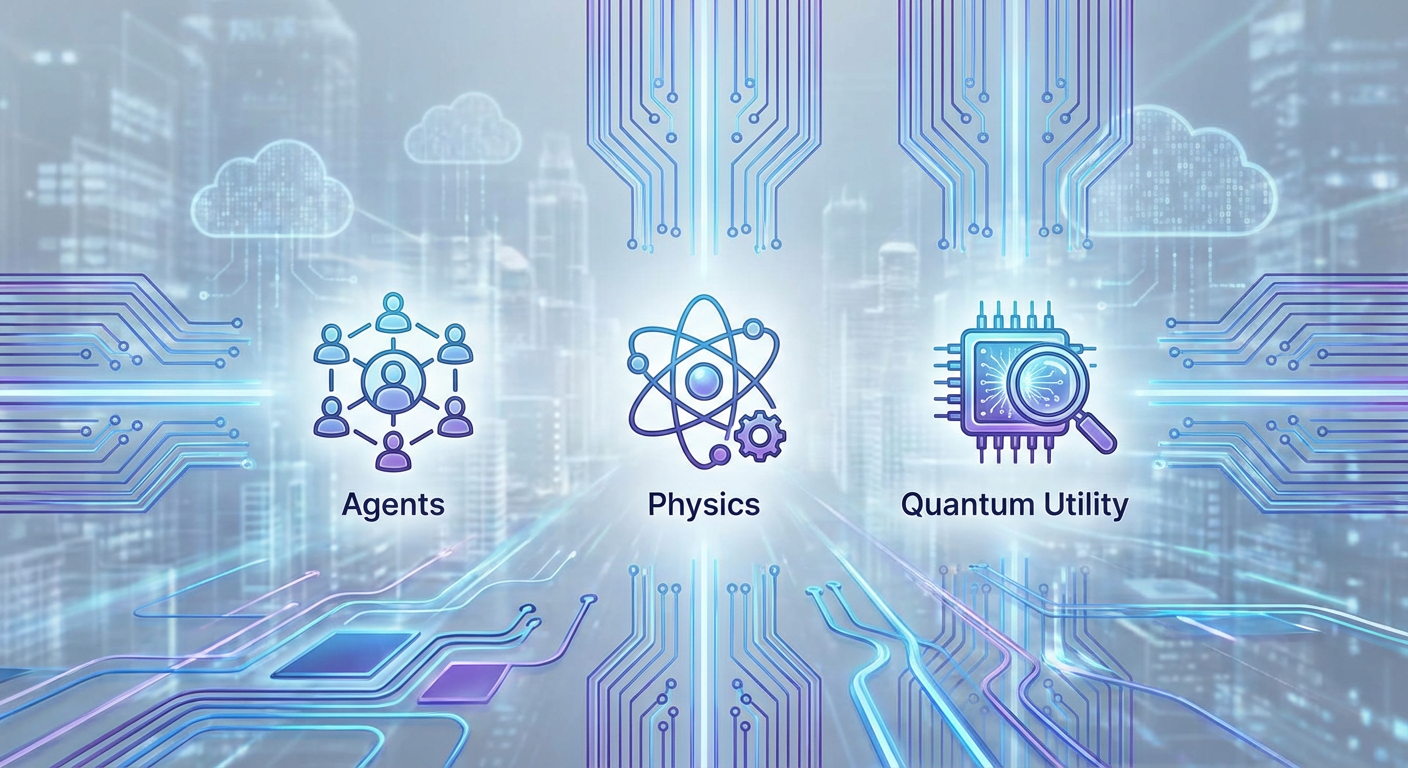
Quantum computing is moving from theoretical to practical. By 2026, we anticipate "quantum utility," where quantum systems work alongside classical infrastructure to solve specific problems better and faster.
This hybrid approach will revolutionize optimization, simulation, and decision-making tasks that were previously out of reach. For industries relying on complex logistics or financial modeling, this is a game-changer.
The Future of Compute
Finally, how these models "think" and where they run is undergoing a massive shift.
7. Reasoning at the Edge
Previously, small models were fast but not particularly smart. In 2026, small models will learn to reason. By distilling the step-by-step thinking processes of massive frontier models, developers are training smaller models to perform complex reasoning locally on your device.
This allows for mission-critical, real-time decision-making without data ever leaving your laptop or phone, which is a massive win for privacy and latency.
8. Amorphous Hybrid Computing
We are moving toward a fluid computing backbone. AI models are evolving beyond pure transformer designs into "state space models" and other hybrid architectures. Simultaneously, cloud infrastructure is differentiating into a mix of CPUs, GPUs, TPUs, and QPUs (Quantum Processing Units).
In this unified environment, different parts of a workload will be automatically mapped to the optimal chip for maximum efficiency. It is an artful blend of hardware and software.
Preparing for 2026
These trends highlight a future that is more automated, more physical, and more governed. At FlowDevs, we specialize in building the digital systems that power this kind of modern business. Whether it is preparing your data lineage for Verifiable AI or setting up the orchestration for your first multi-agent workforce, we are here to help.
If you are ready to streamline your complex workflows and build a digital strategy that is ready for 2026, let's talk. You can schedule a consultation with our team directly. Visit us at https://bookings.flowdevs.io to get started.
It feels like we just barely got used to the explosion of Generative AI, and yet here we are looking ahead to 2026. The pace of innovation is relentless. At FlowDevs, we spend a lot of time helping businesses navigate current technologies like Power Automate and Copilot Studio, but we also keep a close watch on the horizon. Understanding where technology is going helps us build scalable infrastructure today that won't be obsolete tomorrow.
Based on recent insights and expert predictions, the landscape of 2026 is going to look significantly different. We are moving past the phase of simple chatbots and into an era of integrated, physical, and highly intelligent systems. Here are the eight most important AI trends we expect to see by 2026.
The Evolution of Agents and Work
The concept of the "AI Agent" is maturing rapidly. We are moving from single-purpose bots to complex, collaborative digital workforces.
1. Multi-Agent Orchestration
In 2025, we saw individual agents that could plan and reason. In 2026, the trend shifts to teams. No single agent excels at everything, so we will see systems where multiple specialized agents work together under an orchestration layer.
- Planner Agents: Decompose high-level goals into steps.
- Worker Agents: execute specific tasks, such as writing code or calling APIs.
- Critic Agents: Evaluate the output and flag issues.
This introduces cross-checking and verification, breaking complex problems into discrete steps. For businesses, this means more reliable automation workflows that require less manual intervention.
2. The Digital Labor Workforce
These are autonomous agents capable of interpreting multimodal input, such as text, images, and video, to execute complex workflows. However, the key differentiator here is integration. These agents aren't just generating text; they are taking action in downstream components and business systems.
This trend relies heavily on Human-in-the-Loop AI. This provides oversight, correction, and strategic guidance—essentially "rails" to ensure agents adhere to business rules. This creates a force-multiplying effect that extends human capability rather than replacing it.
AI enters the Physical and Social World
AI is stepping out of the browser and into the three-dimensional world, changing how machines interact with us and our environment.
3. Physical AI and World Foundation Models
Until recently, AI operated primarily in a digital space, generating text or pixels. Physical AI changes this. These models are trained to understand and interact with the real, 3D world.
Instead of manually coding rules (like "turn left if you see a wall"), models are trained in simulations to understand physics, gravity, and object manipulation. By 2026, we expect to see these "world foundation models" taking robotics from research labs into commercial production.
4. Social Computing
This involves a shared AI fabric where agents and humans operate together. In this shared space, information and intent flow seamlessly between human users and digital agents. We call this "effective understanding," creates an empathetic, emergent network. It is essentially collective intelligence where digital labor and humans collaborate within a unified context.
Governance and Infrastructure
As systems become more powerful, the need for control and specialized hardware grows. This is where strategy meets engineering.
5. Verifiable AI
With regulations like the EU AI Act becoming fully applicable by mid-2026, compliance is no longer optional. High-risk AI systems must be auditable and traceable.
This means businesses will need robust documentation, transparency regarding when a user is speaking to a machine, and clear data lineage proving copyright respect. This governance framework will likely set the global standard, similar to how GDPR influenced privacy worldwide.
6. Quantum Utility Everywhere
Quantum computing is moving from theoretical to practical. By 2026, we anticipate "quantum utility," where quantum systems work alongside classical infrastructure to solve specific problems better and faster.
This hybrid approach will revolutionize optimization, simulation, and decision-making tasks that were previously out of reach. For industries relying on complex logistics or financial modeling, this is a game-changer.
The Future of Compute
Finally, how these models "think" and where they run is undergoing a massive shift.
7. Reasoning at the Edge
Previously, small models were fast but not particularly smart. In 2026, small models will learn to reason. By distilling the step-by-step thinking processes of massive frontier models, developers are training smaller models to perform complex reasoning locally on your device.
This allows for mission-critical, real-time decision-making without data ever leaving your laptop or phone, which is a massive win for privacy and latency.
8. Amorphous Hybrid Computing
We are moving toward a fluid computing backbone. AI models are evolving beyond pure transformer designs into "state space models" and other hybrid architectures. Simultaneously, cloud infrastructure is differentiating into a mix of CPUs, GPUs, TPUs, and QPUs (Quantum Processing Units).
In this unified environment, different parts of a workload will be automatically mapped to the optimal chip for maximum efficiency. It is an artful blend of hardware and software.
Preparing for 2026
These trends highlight a future that is more automated, more physical, and more governed. At FlowDevs, we specialize in building the digital systems that power this kind of modern business. Whether it is preparing your data lineage for Verifiable AI or setting up the orchestration for your first multi-agent workforce, we are here to help.
If you are ready to streamline your complex workflows and build a digital strategy that is ready for 2026, let's talk. You can schedule a consultation with our team directly. Visit us at https://bookings.flowdevs.io to get started.