
In a recent interview with Alex Heath for Sources, OpenAI CEO Sam Altman described the upcoming Astra model. He stated that it feels like it kind of reached human parity on using computers. You can read the interview here. We must be precise about what this means. This is Altman describing his own product. It is not an independently verified public benchmark. But it signals a massive shift in how software will operate.
You can see the foundation for this shift in OpenAI's September 1, 2026 safety update. OpenAI states that Astra is an upcoming model that now meets the Critical cybersecurity capability threshold under its Preparedness Framework. This means that with appropriate tools and access, Astra can find previously unknown flaws and develop exploits across protected systems without a human guiding each step. The intelligence required to navigate complex computer environments is arriving.
Let us state a clear limitation immediately. Astra is not publicly available in a general computer use product surface as of this writing. FlowDevs is not claiming an Astra integration. We have not independently tested Astra. The point is not the specific model or a single release date. The point is the undeniable direction of travel.
Computer use models are becoming capable enough that the hard problem is shifting. We are moving past the question of whether AI can operate a computer. The new challenge is how an organization safely lets AI act on real endpoints.
The Permission Problem
Intelligence is only part of an operational system. Once an AI model knows what should happen, a different system must dictate whether it is allowed to happen. Who gives the model permission to make changes on a real computer?
This question matters deeply for Managed Service Providers. An MSP manages thousands of endpoints across dozens of different companies. An MSP cannot safely treat an AI agent like an all-powerful remote technician with permanent access to every customer machine. Giving an agent unrestricted access creates an unacceptable security and operational risk.
The operational system needs strict boundaries. It needs identity validation. It needs endpoint scope. It needs granular permission structures and human approval where required. It requires bounded control, safe execution, total visibility, and a durable audit record. Without these guardrails, AI is a liability rather than a tool.
FlowRMM and the Governed Control Plane
FlowDevs builds the software your business runs on. We saw this permission problem early. We built FlowRMM to solve the control plane problem for both humans and AI. It is already built. It is live. FlowRMM currently has its first client actively using the system.
FlowRMM exposes control through the Model Context Protocol. MCP allows an AI agent to work through the same governed endpoint layer that a human technician uses. We do not give AI models raw machine access. We give them a structured path to request actions.
Here is a critical distinction. MCP is a protocol. It is an interface. But MCP alone is not a trust model. The value is the control plane wrapped around the protocol. That control plane dictates scope, permission, approvals, execution boundaries, visibility, and accountability.
How We Bound AI Execution
We designed the FlowRMM remote control path to enforce explicit human authorization. The system can require a human operator to authorize an exact agent for an exact endpoint. We limit the control surface so the agent can only touch what is necessary.
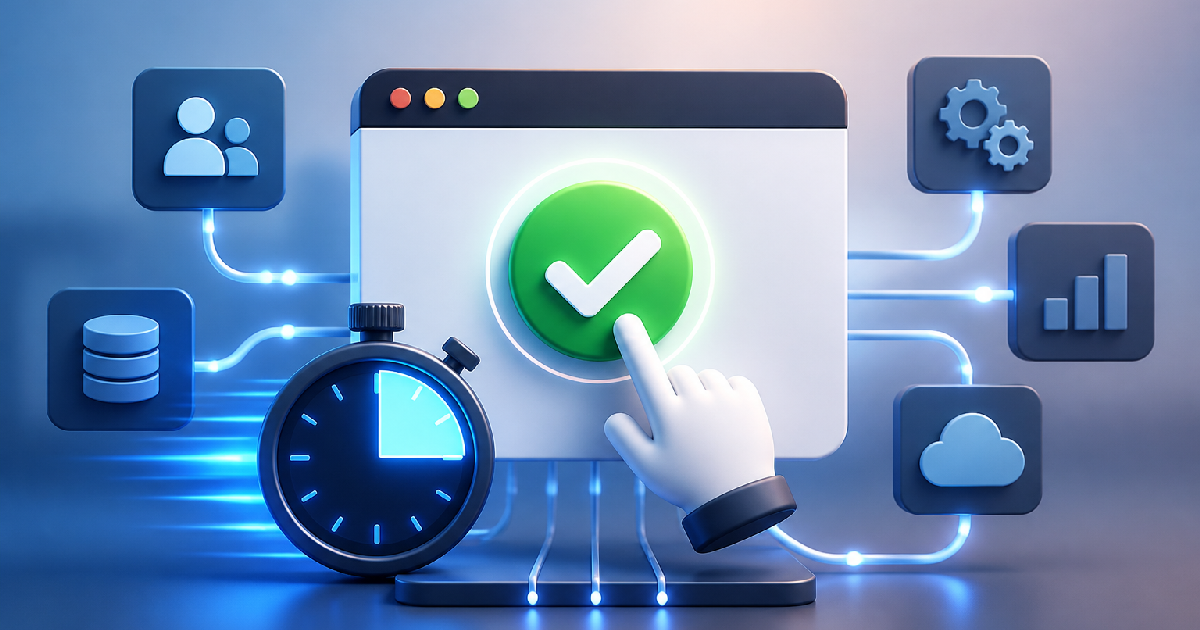
Control is inherently short-lived. Access can be granted for bounded periods such as 5, 15, 30, or 60 minutes. When the time expires, the access is revoked automatically.
We built exclusive control fencing into the platform. A local user retains priority. Through heartbeat monitoring and local preemption, human operators can override or terminate an active session. Every action the agent takes creates a durable audit record. You never have to guess what happened on the endpoint.
A Real MSP Workflow
Consider a standard MSP workflow using this system. An AI agent observes an endpoint and diagnoses a failing service. The agent proposes a specific remediation action.
The FlowRMM policy engine evaluates the proposal. The policy determines whether this specific action requires explicit approval. If the action is sensitive, a human technician reviews the scoped request. The human approves the action.
FlowRMM executes the approved command on the named endpoint. The agent completes the task. Afterward, the result and the forensic evidence remain visible in the system. The AI did the thinking, but the control plane governed the action.
Frequently Asked Questions
Does FlowRMM automate every MSP task autonomously?
No. We do not claim every possible workflow is autonomous. FlowRMM provides the structure for bounded automation. Many actions require human approval by design.
What prevents an AI agent from breaking a system?
The control plane restricts what the agent can do. By enforcing short-lived access, endpoint scope, and explicit permissions, the system minimizes the blast radius of any incorrect decision.
Is FlowRMM just an idea?
FlowRMM is a working system. We have deployed it and are serving our first client today. We believe in proof, not promises.
The Bridge Into Reality
As computer use models improve, endpoint management will not disappear. It becomes far more important. Intelligence needs a governed bridge into reality.
The next wave of AI infrastructure is not only about smarter models. It is about giving those models safe, visible, and accountable ways to act. We must build the systems that connect intelligence to approved action.
We built FlowRMM to be that system. If you want to discuss how we manage AI endpoint permission, you can schedule a conversation on our bookings page.
In a recent interview with Alex Heath for Sources, OpenAI CEO Sam Altman described the upcoming Astra model. He stated that it feels like it kind of reached human parity on using computers. You can read the interview here. We must be precise about what this means. This is Altman describing his own product. It is not an independently verified public benchmark. But it signals a massive shift in how software will operate.
You can see the foundation for this shift in OpenAI's September 1, 2026 safety update. OpenAI states that Astra is an upcoming model that now meets the Critical cybersecurity capability threshold under its Preparedness Framework. This means that with appropriate tools and access, Astra can find previously unknown flaws and develop exploits across protected systems without a human guiding each step. The intelligence required to navigate complex computer environments is arriving.
Let us state a clear limitation immediately. Astra is not publicly available in a general computer use product surface as of this writing. FlowDevs is not claiming an Astra integration. We have not independently tested Astra. The point is not the specific model or a single release date. The point is the undeniable direction of travel.
Computer use models are becoming capable enough that the hard problem is shifting. We are moving past the question of whether AI can operate a computer. The new challenge is how an organization safely lets AI act on real endpoints.
The Permission Problem
Intelligence is only part of an operational system. Once an AI model knows what should happen, a different system must dictate whether it is allowed to happen. Who gives the model permission to make changes on a real computer?
This question matters deeply for Managed Service Providers. An MSP manages thousands of endpoints across dozens of different companies. An MSP cannot safely treat an AI agent like an all-powerful remote technician with permanent access to every customer machine. Giving an agent unrestricted access creates an unacceptable security and operational risk.
The operational system needs strict boundaries. It needs identity validation. It needs endpoint scope. It needs granular permission structures and human approval where required. It requires bounded control, safe execution, total visibility, and a durable audit record. Without these guardrails, AI is a liability rather than a tool.
FlowRMM and the Governed Control Plane
FlowDevs builds the software your business runs on. We saw this permission problem early. We built FlowRMM to solve the control plane problem for both humans and AI. It is already built. It is live. FlowRMM currently has its first client actively using the system.
FlowRMM exposes control through the Model Context Protocol. MCP allows an AI agent to work through the same governed endpoint layer that a human technician uses. We do not give AI models raw machine access. We give them a structured path to request actions.
Here is a critical distinction. MCP is a protocol. It is an interface. But MCP alone is not a trust model. The value is the control plane wrapped around the protocol. That control plane dictates scope, permission, approvals, execution boundaries, visibility, and accountability.
How We Bound AI Execution
We designed the FlowRMM remote control path to enforce explicit human authorization. The system can require a human operator to authorize an exact agent for an exact endpoint. We limit the control surface so the agent can only touch what is necessary.
Control is inherently short-lived. Access can be granted for bounded periods such as 5, 15, 30, or 60 minutes. When the time expires, the access is revoked automatically.
We built exclusive control fencing into the platform. A local user retains priority. Through heartbeat monitoring and local preemption, human operators can override or terminate an active session. Every action the agent takes creates a durable audit record. You never have to guess what happened on the endpoint.
A Real MSP Workflow
Consider a standard MSP workflow using this system. An AI agent observes an endpoint and diagnoses a failing service. The agent proposes a specific remediation action.
The FlowRMM policy engine evaluates the proposal. The policy determines whether this specific action requires explicit approval. If the action is sensitive, a human technician reviews the scoped request. The human approves the action.
FlowRMM executes the approved command on the named endpoint. The agent completes the task. Afterward, the result and the forensic evidence remain visible in the system. The AI did the thinking, but the control plane governed the action.
Frequently Asked Questions
Does FlowRMM automate every MSP task autonomously?
No. We do not claim every possible workflow is autonomous. FlowRMM provides the structure for bounded automation. Many actions require human approval by design.
What prevents an AI agent from breaking a system?
The control plane restricts what the agent can do. By enforcing short-lived access, endpoint scope, and explicit permissions, the system minimizes the blast radius of any incorrect decision.
Is FlowRMM just an idea?
FlowRMM is a working system. We have deployed it and are serving our first client today. We believe in proof, not promises.
The Bridge Into Reality
As computer use models improve, endpoint management will not disappear. It becomes far more important. Intelligence needs a governed bridge into reality.
The next wave of AI infrastructure is not only about smarter models. It is about giving those models safe, visible, and accountable ways to act. We must build the systems that connect intelligence to approved action.
We built FlowRMM to be that system. If you want to discuss how we manage AI endpoint permission, you can schedule a conversation on our bookings page.